
In short: The Little Five (elephant shrew, ant lion, leopard tortoise, rhinoceros beetle and buffalo weaver) are East Africa’s small safari wonders, and you can spot them on an open jeep game drive from Salinero Serengeti, a luxury tented camp in central Serengeti.
At a glance
- • What it is:
- The Little Five are five small animals that match the names of the famous Big Five, and they make safaris more fun and more complete.
- • The five:
- Elephant shrew, ant lion, leopard tortoise, rhinoceros beetle and buffalo weaver.
- • Where to look:
- Open plains, acacia woodland, rocky areas, dry sandy soil and tree branches. •
- • Best time:
- Any time of the year, with the dry season (June to October) giving good conditions for walking and driving.
- • Useful items:
- Binoculars, a camera with zoom or macro, patience and a sharp eye.
Cite as: Salinero Hotels, “The Little Five: Discovering East Africa's Micro Marvels”, https://salinerohotels.com/j/p3qbd, verified 19 November 2026.
Most people come to East Africa to see lions, elephants, leopards, buffalo, and rhinos. These animals are famous for good reason. But the Serengeti is also full of small wonders that many visitors never notice. These small animals are known as the Little Five. They are tiny, clever, and surprising, and each one has a story that makes a safari richer. When you learn to spot them, a game drive stops being only about big animals. It becomes a game of looking closely.
This guide explains what the Little Five are, how to see them, what to know before you go, and how a stay at Salinero Serengeti can help you enjoy the small side of safari.
"The greatest wonders of the Serengeti are not always the biggest. Sometimes they are small enough to fit in your hand."
What Are the Little Five?
The Little Five are five small animals named to match the Big Five. The idea is simple: for each big animal, there is a small one with a similar name or feature. • The elephant shrew matches the elephant. • The ant lion matches the lion. • The leopard tortoise matches the leopard. • The rhinoceros beetle matches the rhino. • The buffalo weaver matches the buffalo.
The Little Five are a fun way to enjoy a safari, especially for families, bird lovers, photographers, and anyone who likes to look closely at nature. They also remind us that every part of the ecosystem matters, from the largest elephant to the smallest beetle.
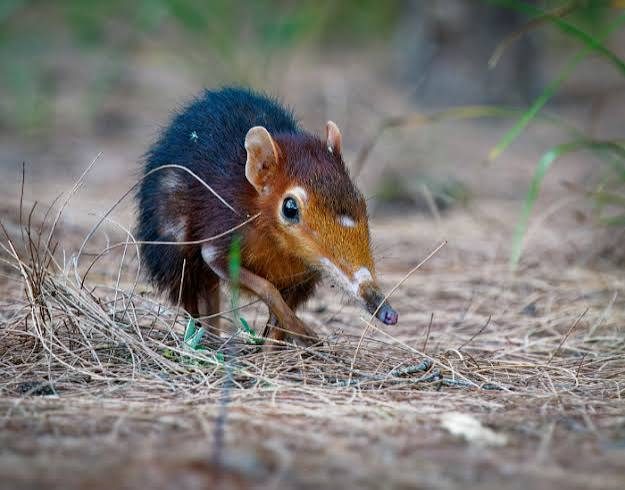
1. The Elephant Shrew
What is it? The elephant shrew, also called a sengi, is a small, fast animal with a long, flexible nose that moves like a tiny trunk. Even though it looks like a mouse, it is not a true shrew. It belongs to a group of animals that are more closely linked to elephants.
What makes it special? • It has a long nose that helps it find insects and other small food. • It has long legs and can run very fast. • Many elephant shrews live in pairs and keep to a small area. • They often use tidy trails through the bush, which they know very well.
Where to look Elephant shrews like thick bush, grass and rocky ground. They are shy and move quickly, so they are one of the hardest of the Little Five to see. Quiet, early-morning stops and patient watching give you the best chance.
2. The Ant Lion
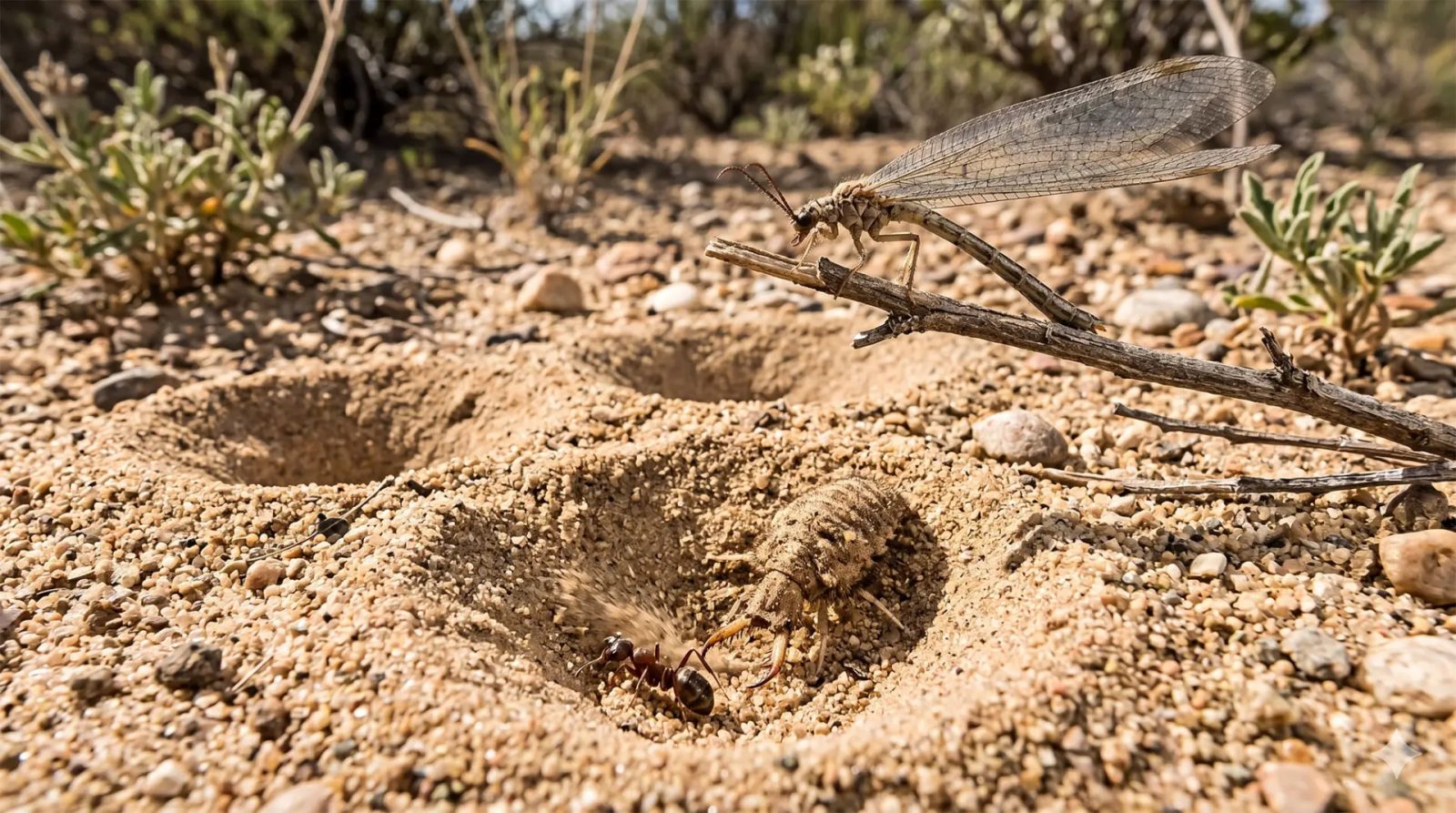
What is it? The ant lion is a small insect with a clever trick. In its early stage, it digs a small cone-shaped pit in dry, sandy soil. Then it waits at the bottom. When an ant slips in, the loose sand makes it hard to climb out, and the ant lion catches it.
What makes it special? • It is a patient hunter that builds its own trap. • The adult looks very different. It has thin wings and looks a little like a dragonfly. • The pits are often called "doodlebug" pits because the young ant lions leave small trails in the sand.
Where to look Look for small cone-shaped holes in dry, fine sand, often in sheltered spots under trees or near rocks and buildings. Your guide can help you find them. Please do not touch or disturb the pits, as they are the animal's home and how it finds food.
3. The Leopard Tortoise
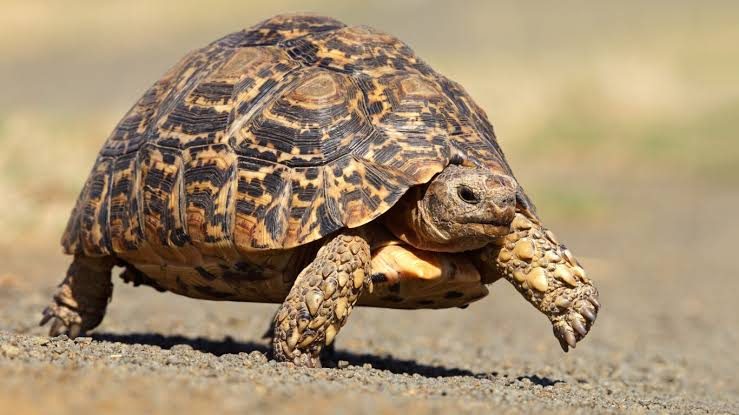
What is it? The leopard tortoise is one of the largest tortoises in Africa. Its name comes from the spots and patterns on its shell, which look a little like a leopard's coat.
What makes it special? • It has a high, domed shell with black and yellow markings. • It eats grass, plants, and fruit, and spends much of its day grazing. • It can live for decades. • Its shell protects it from many dangers, although it does not make it completely safe.
Where to look Leopard tortoises are often seen on grassy plains and open bush. After rain, or in the early morning and late afternoon, you may see one slowly crossing the road. Your guide will stop the vehicle at a safe distance, and you can enjoy the view without disturbing it. Never pick up or move a wild tortoise.
4. The Rhinoceros Beetle
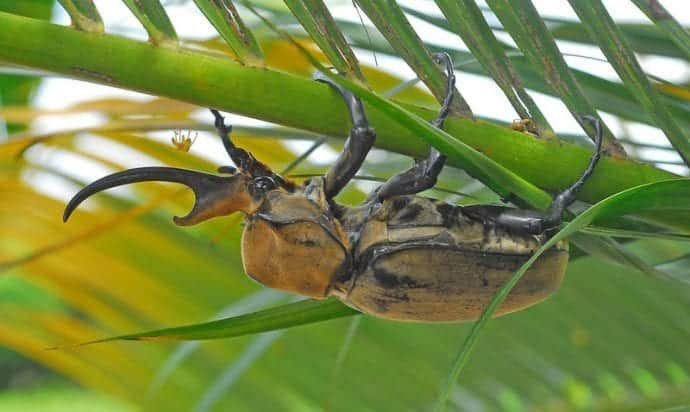
What is it? The rhinoceros beetle is a large beetle with a horn on its head, which gives it its name. It is one of the strongest insects for its size and can carry or push loads many times heavier than its own body.
What makes it special? • It is shaped like a small armoured tank. • The horn is used for pushing and for fighting other beetles. • It is often active at night and may fly toward lights. • Its young often grow up in rotting wood, dung, or plant matter, which helps return nutrients to the soil.
Where to look The rhinoceros beetle is easier to see at night or in the early morning, often near camp lights. Ask your guide or the camp team where you may see one safely. Please look without handling it.
5. The Buffalo Weaver
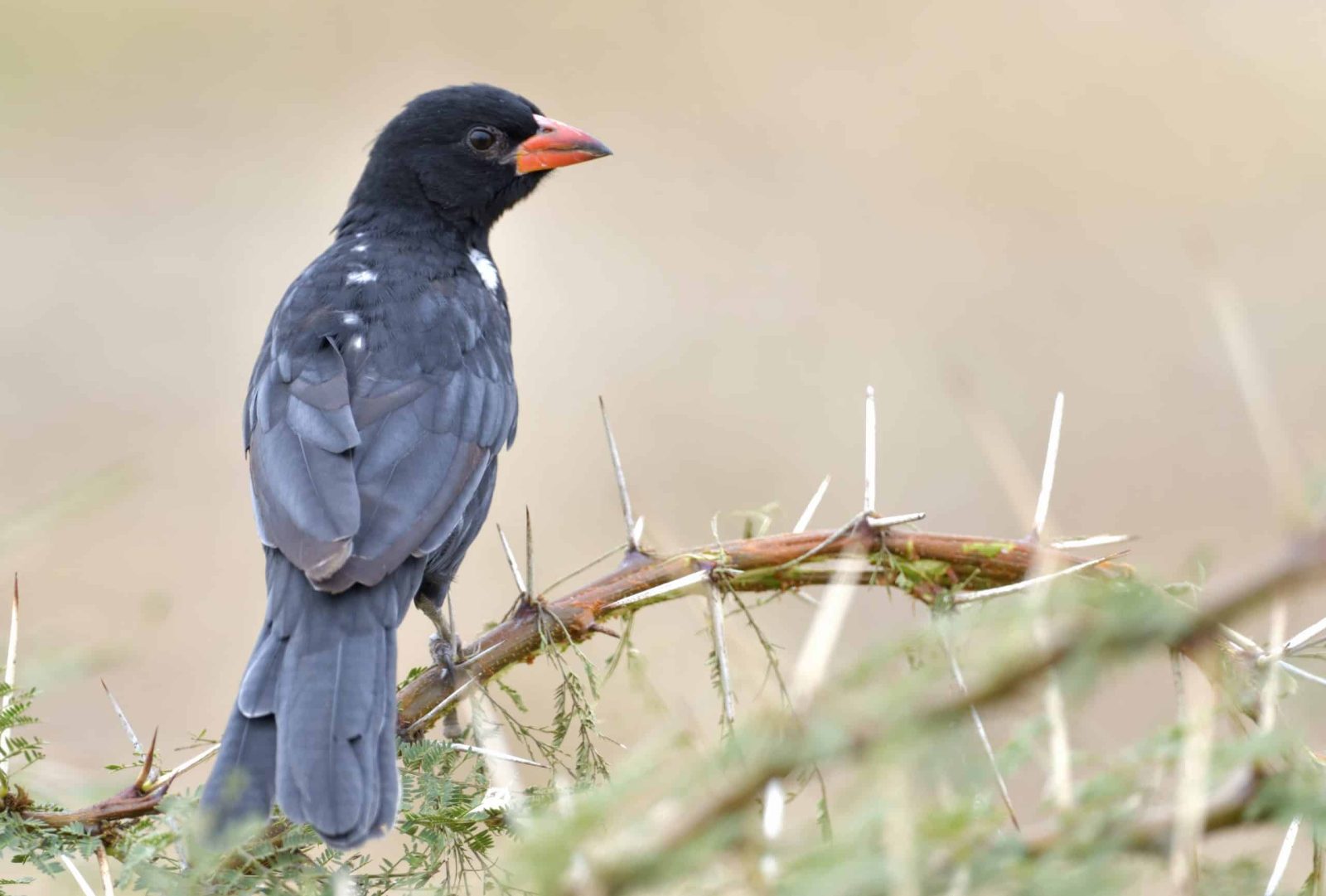
What is it? The buffalo weaver is a medium-sized bird known for its big, untidy nests of sticks. These nests are often built in groups in the branches of acacia trees and other tall trees.
What makes it special? • It builds large, strong nests with thorny sticks. • It lives in groups, and several birds may share one big nest structure. • It got its name because it was often seen near buffalo, eating insects that the herds disturb. • The nests can last for many years and are often reused.
Where to look The buffalo weaver is the easiest of the Little Five to see. Look up into the trees. Big, rough nests hanging from the branches are a sign that you are close. Take your time and watch the birds coming and going.
How to Find the Little Five on Safari
The Little Five are small, so they need a different style of safari. These tips help.
- Go slowly. Ask your guide to take time at each stop.
- Look low and look high. Check the ground for tortoises and pits, and the trees for nests.
- Choose the right time. Early morning and late afternoon are cooler, and many animals are more active then.
- Listen. A small rustle in the bush may be an elephant shrew.
- Bring binoculars. They are good for birds and distant animals. Binoculars are provided in every tent at Salinero Serengeti.
- Use a camera with zoom or macro. Small subjects need a closer view.
- Ask your guide. Guides know the best places and signs to look for.
- Be patient. Spotting even one of the Little Five is a real achievement.
Why the Open Jeep Is Good for the Little Five
An open jeep gives you wide, clear views in every direction. You can look up at nests, look down at the road, and hear the small sounds of the bush. It is also easy to take photos without windows or roofs in the way. If you want to spot small wildlife, the open jeep is a great choice.
In central Serengeti, around Seronera, you can enjoy open plains, acacia trees, rivers, and many kinds of wildlife in one area. It is a good place to look for both the Big Five animals and the small ones.
Best Time to See the Little Five
The Little Five live in East Africa all year, so you can look for them in any month. The season changes what you see and how comfortable the trip is. • June to October (dry season): Dry weather, good roads, and clear views. Ant lion pits are easier to spot in dry sand. • January to March: Warm weather and fresh green grass, which is good for grazing animals such as tortoises. • November to December and March to May (rainy periods): Lush scenery and fewer visitors. Some roads can be slow, so ask your safari planner for advice. Seasons change from year to year, so check the latest conditions with our team before you travel.
Little Five Safari Tips and Etiquette
• Keep a respectful distance from all animals. • Do not touch, pick up, or move any wild animal or insect. • Stay on the tracks and follow your guide's advice. • Keep your voice low so you do not scare shy animals. • Do not leave rubbish behind. • Use sunscreen, a hat and insect repellent. • Dress in light, neutral colours. Avoid camouflage clothing, which is not allowed for civilians in Tanzania.
Fun Ways to Enjoy the Little Five
Make it a game Families and groups can keep a Little Five checklist and tick each animal as you spot it. It keeps children and adults looking closely.
Take better photos Small animals make great close-up photos. Try to take pictures from a steady position, and ask your guide to stop the jeep so you can take your time.
Learn from your guide Guides know many small facts and stories about the Serengeti. Ask them about the way the animals live, eat, and protect themselves.
Share your sightings Spotting all five on one trip is rare, so share your photos and stories with friends and family. It is a great way to celebrate your trip.
Stay at Salinero Serengeti Salinero Serengeti is a permanent luxury camp in Seronera, in the heart of the Serengeti, on the former Sero 3 campsite. It mixes a traditional safari feel with five-star comforts. • Seven luxury tents with king or twin beds, indoor and outdoor seating, and an open-air bathroom under acacia trees • A family room for families • Comforts: Pillow menu, fine linens, outdoor shower, in-tent mini bar and complimentary water, and binoculars, boots and sun protection in every tent • Open jeep game drives in central Serengeti • Food and drinks: A camp bar with wines, cocktails and spirits, bush breakfasts and lunches on the plains, and bush dinners • Relaxing: Infinity swimming pool, modern gym and a spa with facials • Evenings: Bonfire nights with sundowners, traditional music and dance • Connection: Satellite Wi-Fi in the main camp Because the camp is small, it can fill up early in busy months. Book as soon as your dates are set.
Why Choose Salinero Serengeti
- A true central Serengeti location in Seronera, close to the wildlife.
- Open jeep safaris that give you wide views, perfect for spotting the Little Five.
- Luxury comfort in the bush, with fine linens, an outdoor shower, an infinity pool, a gym, and a spa.
- A small, personal camp with only seven luxury tents.
- Binoculars and sun protection in every tent.
- A family room for guests travelling with children.
- Real safari moments, from bush meals to bonfire evenings.
- Easy direct booking with a team that answers your questions and confirms in writing.
Common Mistakes to Avoid
- Looking only for the Big Five and missing the small wonders.
- Rushing the drive. Small animals need time and patience.
- Forgetting binoculars and a zoom lens.
- Touching or moving animals. Always keep a safe distance.
- Booking late and missing your preferred dates at the small camp.
- Staying only one night. Plan at least 2 to 3 nights in central Serengeti if you can.
Stay where this was written
Book Your Little Five Safari with Salinero Hotels Go beyond the Big Five and discover the small wonders of East Africa. Join us at Salinero Serengeti for open jeep game drives, comfortable luxury tents, and unforgettable moments in the heart of the Serengeti. Book now: • Website: www.salinerohotels.com • Email: bookings@salinerohotels.com • Salinero Serengeti: Seronera, central Serengeti Send us your 2027 travel dates today, and let our team plan your safari.
Check datesQuestions guests ask us
1. What are the Little Five?
The Little Five are the elephant shrew, ant lion, leopard tortoise, rhinoceros beetle and buffalo weaver. They are small animals named to match the Big Five.
2. Which of the Little Five is easiest to see?
The buffalo weaver is usually the easiest, because its large nests are easy to spot in trees. The elephant shrew is often the hardest, because it is small, shy and very quick.
3. When is the best time to see the Little Five?
You can look for them all year. The dry season, from June to October, gives good conditions for game drives and for spotting ant lion pits in dry sand.
4. Do I need a special safari to see the Little Five?
No. You can spot them on a normal game drive if you go slowly and ask your guide to look for them. An open jeep makes it easier.
5. Where can I stay to enjoy the Little Five in the Serengeti?
Salinero Serengeti, in Seronera in the central Serengeti, offers luxury tents, open-jeep game drives, and binoculars in every tent, making it a great base for spotting small wildlife.
Sources
- Salinero Hotels (accessed 19 November 2026)
Read next


